

Discovering the World of Dub Manga – Bridging Cultures and Expanding Audiences
In the ever-expanding universe of manga, dub manga has emerged as a vital bridge connecting diverse audiences worldwide. By providing vocalized versions of manga stories, dub manga enhances accessibility and offers a fresh way for fans to experience their favorite titles. Whether through animated adaptations or audio narrations, dubbing takes manga from the silent pages into the realm of spoken entertainment, fostering a deeper emotional connection and wider reach across cultures. Understanding its significance involves exploring its appeal, challenges, and future potential within the broader manga landscape.
The Appeal of Dubbed Manga: Accessibility and Audience Reach
Dub manga appeals greatly to audiences who prefer an auditory experience or have visual impairments that hinder reading long texts. For many, hearing a story—especially with expressive voice acting—can intensify emotional engagement, making the experience more immersive and memorable. It also helps listeners who are still learning language nuances or are less confident in reading complex scripts, breaking down language barriers, and enabling a more inclusive environment for global fans.
Furthermore, dub manga enhances accessibility for non-native speakers, allowing them to enjoy manga stories without the need for translations or reading proficiency. This broadens the market significantly, as people from different linguistic backgrounds can connect with content in a more natural and engaging way. As digital media consumption increases, dubbed manga has the potential to reach audiences beyond traditional manga readers, including those who consume content primarily via audio or visual platforms like YouTube and streaming services.
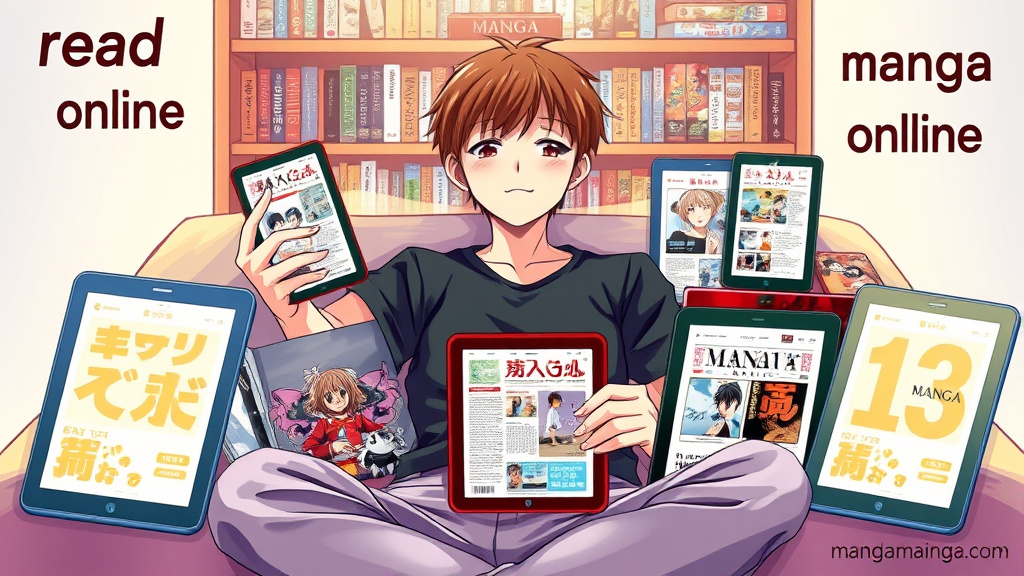 Hình minh họa: dub manga – free manga online websites
Dub Manga vs. Traditional Manga: A Comparative Analysis
Traditional manga relies on silent visuals and text, encouraging readers to interpret images and dialogue on their own. This form offers a personal and contemplative experience, emphasizing artistic expression and narrative subtlety. Conversely, dub manga transforms this silent storytelling into an auditory experience, often accompanied by voice acting, sound effects, and sometimes music. This difference can influence the storytelling in profound ways—adding emotional layers but possibly sacrificing some of the nuances in visual storytelling.
While traditional manga uniquely emphasize visual artistry and reader interpretation, dub manga seeks to recreate the story through voice, tone, and sound design. Fans might prefer one over the other based on their engagement style; some enjoy the quiet contemplation of traditional manga, while others appreciate the dynamic, lively experience that dubbing offers. Ultimately, they serve different purposes and audiences but together contribute to a richer, more diverse manga ecosystem.

The Evolution of Dub Manga: From Fan Projects to Official Releases
Dub manga’s journey has transitioned from passionate fan projects to professionally produced content embraced by the industry. Initially, dedicated fans created amateur audio recordings, sharing their voice-acting talents in online communities. These fan-made projects showcased immense creativity and love for manga but often faced legal issues concerning copyright and licensing.
Today, many publishers and studios recognize the commercial and cultural value of dub manga, leading to official audio adaptations and integration into multimedia platforms. This evolution reflects a broader acceptance within the industry, where dubbing is now seen as a legitimate extension of manga storytelling. Official releases often involve high-quality voice acting, sound design, and localization efforts, elevating the experience and legitimizing dub manga as a mainstream format for engaging with manga stories.
Technical Challenges in Dubbing Manga: Adapting Visuals to Audio
Transforming visual manga into engaging audio narratives involves significant technical challenges. Dubbing must capture not only the essence of characters and dialogue but also synchronize with the artwork and panel flow. Timing is critical—voice actors need precise cues to match the pacing of the illustrations, ensuring that the audio complements the visual storytelling rather than overpowering or misaligning with it.
Additionally, translating manga into audio requires careful localization to maintain cultural nuances and character personalities. Narrators or voice actors often need to interpret subtext and visual cues that aren’t explicitly written, making the dubbing process complex and highly collaborative. Despite these challenges, successful dub manga projects can enhance storytelling depth, allowing audiences to experience the narrative on multiple sensory levels.
The Role of Voice Actors in Dub Manga: Bringing Characters to Life
Voice actors are the heart of dub manga, responsible for giving life and personality to characters through vocal performance. Their ability to convey emotions, humor, tension, and subtleties directly impacts how audiences perceive the story. A talented voice actor can transform a flat line of dialogue into a memorable character moment, enriching the narrative and deepening emotional impact.
In many ways, voice actors act as bridges between the original creators and the audience, interpreting characters in ways that resonate universally. Their performances can shape the success of a dub manga, and their artistry often determines whether the adaptation feels authentic or detached. As dub manga continues to grow, recognition of voice actors’ contributions is essential for nurturing this craft and inspiring new talent in the industry.
The Impact of Dub Manga on the Manga Industry: Expanding Market Opportunities
Dub manga’s rise opens new avenues for revenue and audience engagement in the manga industry. It allows publishers to diversify their offerings—creating audio content, multimedia collaborations, and expanding into markets that favor auditory experiences. This expansion enhances the reach of manga titles, encouraging fans to explore stories in novel ways.
Furthermore, dub manga facilitates cross-cultural exchange, helping Japanese manga reach non-Japanese audiences more naturally. It also provides opportunities for collaborations with international media companies, leading to bilingual or multilingual projects. Overall, the integration of dub manga into the industry not only broadens the consumer base but also strengthens the global presence of manga as a comprehensive entertainment medium.
Copyright and Licensing Issues in Dub Manga Production
Navigating copyright and licensing is a central challenge in producing dub manga, especially when it involves translating and adapting proprietary content. Unauthorized dubbing can infringe on creators’ rights, leading to legal disputes and takedown notices. Official productions, therefore, require clear licensing agreements, which often involve negotiations concerning royalties and distribution rights.
The complexity increases with the international nature of dubbing, where different jurisdictions have varying copyright laws. Ensuring compliance while maintaining creative freedom requires careful legal oversight and cooperation between rights holders, producers, and localizers. Ethical and legal considerations play a vital role in sustaining dub manga’s growth, protecting creators’ interests, and fostering a respectful, professional industry.
Popular Dub Manga Titles: A Showcase of Success Stories
Some manga titles have successfully transitioned into the world of dub manga, gaining large audiences and critical acclaim. For example, anime adaptations like Attack on Titan, My Hero Academia, and Demon Slayer feature dubbed versions that have driven massive viewer engagement worldwide. These titles benefit from high-quality voice acting and production, helping to preserve the integrity of characters and stories.
In the realm of audio-only manga, projects like Manga Dub or Audio Manga platforms showcase a variety of genres, from action and romance to horror, that have resonated with audiences. These successes demonstrate the appetite for dubbed manga content and encourage more creators and publishers to invest in dubbing projects to reach broader markets.
The Future of Dub Manga: Trends and Innovations
Looking ahead, dub manga is poised for exciting innovations driven by technology and evolving consumer preferences. Advances in AI voice synthesis are beginning to reduce production costs, enabling faster and more diverse voice acting options. Meanwhile, virtual reality (VR) and augmented reality (AR) might introduce immersive audio experiences that complement visual storytelling.
Moreover, personalized dubbing—where audiences can choose voice styles or languages—could become a standard feature, tailoring content to individual tastes. As streaming platforms embrace more multimedia formats, dub manga is likely to move beyond traditional audio into fully interactive experiences that merge visuals, sound, and user engagement, further democratizing manga and making it accessible to all.
Dub Manga and Accessibility: Reaching Readers with Visual Impairments
One of dub manga’s most promising applications is improving accessibility for visually impaired readers. Audio narration allows those with limited or no vision to experience manga stories through spoken word, significantly expanding the inclusiveness of the medium. Adaptations in the form of descriptive audio, where narrators explain visual details, can enrich the experience further.
This advancement aligns with broader disability advocacy trends and the growing recognition of digital content’s importance in accessibility. As technology and awareness progress, dub manga can become a vital tool for making manga more accessible, fostering a more inclusive global community that embraces diverse ways of experiencing stories.
Conclusion
In summary, dub manga represents an innovative and expanding facet of the manga industry that enhances accessibility, bridges cultural gaps, and offers new avenues for storytelling and audience engagement. From its early beginnings in fan-driven projects to sophisticated official productions, dubbing presents both technical and logistical challenges but also immense opportunities for creative expression and market growth. As technology advances and global demand increases, dub manga is set to flourish, becoming an integral part of how stories are experienced around the world, inviting diverse audiences to connect with manga in ways that merge voice, sound, and imagination in compelling new forms.